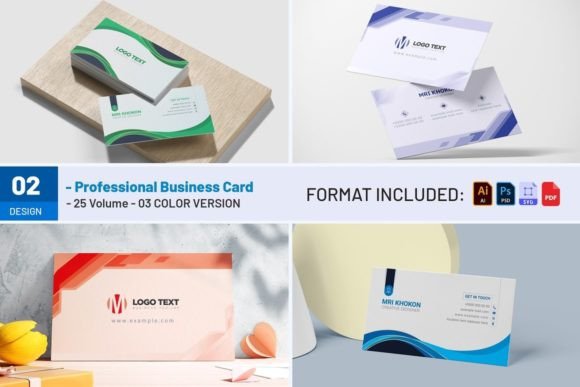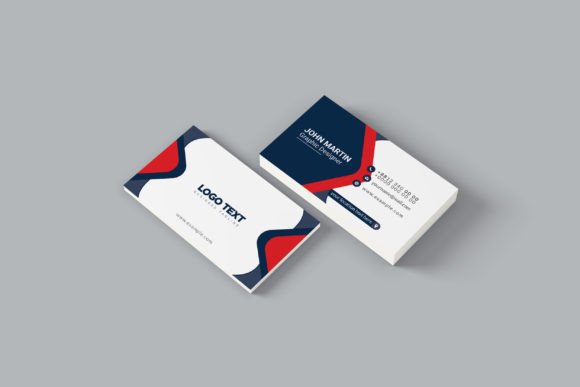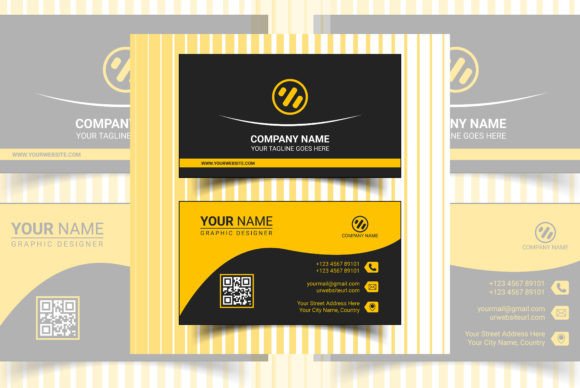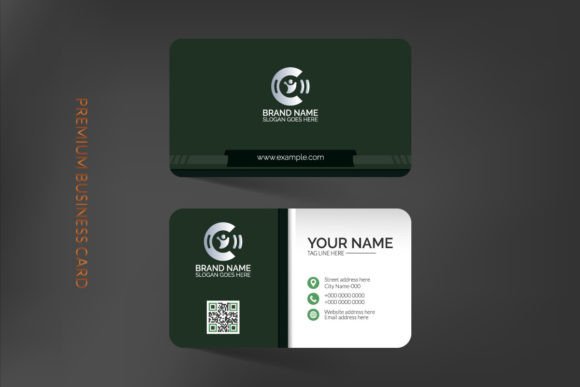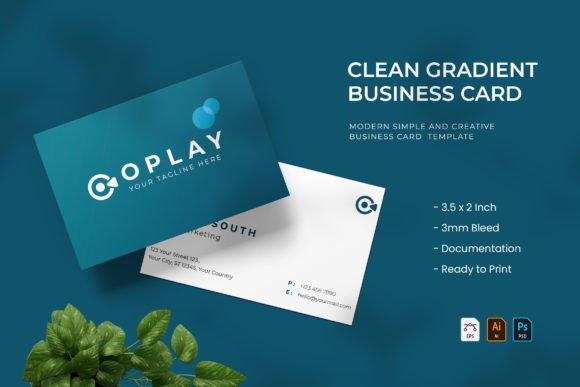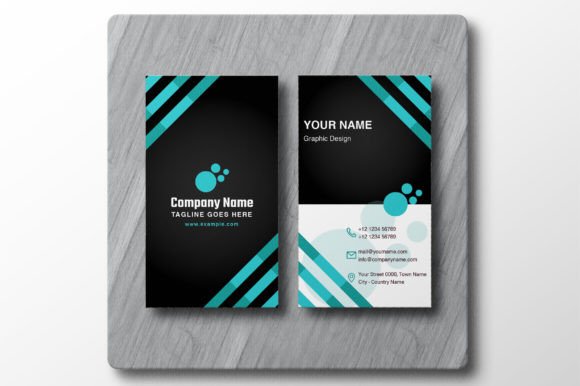
Creative Vertical Clean Business Card
In an era where first impressions happen in seconds, a Creative Vertical Clean Business Card stands as a powerful tool for establishing immediate professional credibility and visual impact. Unlike traditional horizontal layouts that have become ubiquitous, the vertical format offers a distinct advantage in catching the eye, allowing designers to craft a memorable brand narrative within a compact space.
This modern aesthetic is not merely about orientation; it represents a shift towards sleek, minimalist design principles that prioritize clarity and sophistication. For graphic designers and branding specialists, integrating such a template into a project workflow ensures that the final product aligns with contemporary trends while maintaining the versatility required for diverse industries.
The Power of Minimalist Visual Communication
The core strength of a clean vertical layout lies in its ability to eliminate clutter and focus on essential information. By utilizing negative space effectively, the design guides the viewer's attention naturally from the logo to the contact details, creating a seamless visual hierarchy. This approach is crucial for strengthening brand identity, as it projects confidence and organization without relying on excessive decoration.
When constructing a brand system, consistency is key. A well-designed vector template allows for precise control over typography, color palettes, and spacing, ensuring that every element contributes to a cohesive look. Whether you are refining a startup's initial identity or refreshing an established corporation's materials, this format supports a polished presentation that resonates with modern audiences.
Practical Applications Across Creative Projects
The versatility of this design extends far beyond simple networking events. Its adaptable structure makes it a valuable asset for various creative endeavors:
- Branding and Logo Design: Use the card as a canvas to test how your logo scales and interacts with different typefaces before applying them to larger assets.
- Digital Marketing and Social Media: The vertical aspect ratio mirrors the formats used in mobile stories and social feeds, making it easy to repurpose the design for digital campaigns.
- UI and Web Design: The clean lines and structured layout can inspire user interface elements, offering a blueprint for intuitive navigation and clear data presentation.
- Packaging and Editorial Design: The minimalist aesthetic translates well to product packaging and magazine spreads, providing a sophisticated backdrop for complex imagery.
- Presentations and Merchandise: Incorporate the design style into slide decks or custom merchandise to maintain a unified visual language across all touchpoints.
Technical Precision and Workflow Efficiency
From a technical standpoint, the value of this template is amplified by its vector-based construction. Designed for ease of editing, the file structure allows designers to modify text, swap images, and adjust colors without compromising resolution. This scalability is vital for print design, where crisp edges and sharp typography are non-negotiable for high-quality output.
The inclusion of multiple file formats—AI, EPS, SVG, PDF, and JPG—ensures compatibility across different software environments and use cases. SVG files enable web integration with perfect scaling, while AI and EPS formats provide the flexibility needed for advanced vector manipulation in professional design suites. This comprehensive package streamlines the design workflow, reducing the time spent on file conversion and preparation.
Key Considerations for Effective Design
To maximize the potential of this asset, designers should focus on several critical factors during the customization process:
- Typography Selection: Choose fonts that reflect the brand's personality while ensuring high readability at small sizes. Sans-serif fonts often complement the clean aesthetic, but serif options can add a touch of elegance.
- Color Palette Consistency: Align the card's colors with your existing brand guidelines. Use contrast strategically to highlight important information like phone numbers or email addresses.
- Visual Hierarchy: Establish a clear order of importance. The logo should be prominent, followed by the name, title, and finally, the contact details.
- Audience Expectations: Consider the industry norms. A tech startup might prefer a bold, geometric style, whereas a law firm may lean towards classic, understated elegance.
Ultimately, the choice of a Creative Vertical Clean Business Card reflects a commitment to quality and thoughtful design. In a crowded marketplace, these subtle yet significant details can differentiate a brand, fostering trust and engagement. By leveraging high-quality creative assets, professionals can enhance their communication strategies, ensuring that their message is not only seen but remembered.