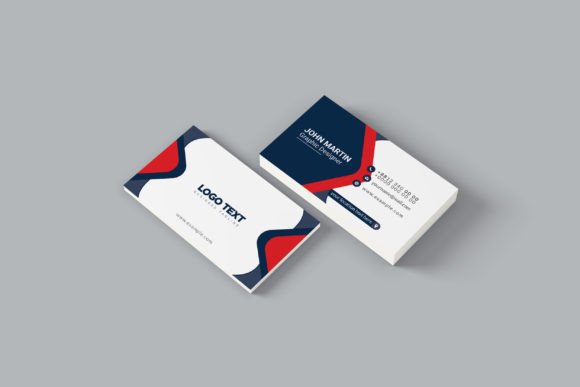
Modern Business Card Templates for Creative Pros
In a world where digital interactions often overshadow physical connections, the business card remains a vital tool for making a lasting first impression. Modern Business Card Templates are not merely about printing names on paper; they represent a strategic approach to personal branding that bridges the gap between traditional networking and contemporary design aesthetics. For creators, entrepreneurs, and marketers, having access to high-quality templates is the difference between a forgotten slip of paper and a memorable brand asset.
The value of these templates lies in their versatility and professional polish. Whether you are a freelancer pitching a new project or a small business owner launching a product line, the visual identity you present matters. These resources provide a structured foundation that allows users to focus on content and customization rather than struggling with layout grids from scratch. By utilizing pre-designed frameworks, professionals can ensure their contact information is presented with clarity, balance, and visual impact.
Why Choose Professional Design Templates?
Designing a business card from scratch requires a keen eye for typography, color theory, and spatial arrangement. While many individuals possess creative talents, few have the technical expertise to align elements perfectly within standard print dimensions. Modern Business Card Templates solve this problem by offering a starting point that adheres to industry standards while allowing for unique expression.
When you download a comprehensive package, you are gaining more than just an image file. You are acquiring a workflow solution. The inclusion of multiple formats ensures that whether you need to make a quick text change or a complex graphic adjustment, you have the right tool for the job. This flexibility is crucial for maintaining consistency across different projects and ensuring that your final output looks sharp on screen and crisp when printed.
Understanding the Technical Specifications
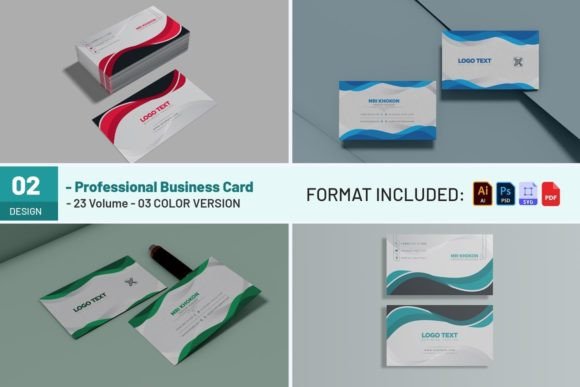
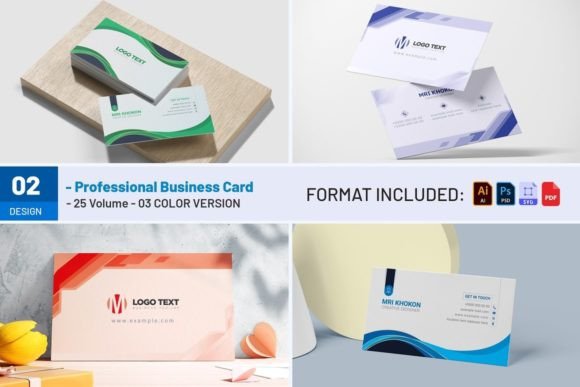
The power of a modern template package often comes down to its file variety. A robust collection typically includes Illustrator Ai, Illustrator EPS, Photoshop PSD, Adobe Acrobat PDF, and SVG formats. Each serves a distinct purpose in the design lifecycle:
- Illustrator (Ai & EPS): These vector-based files are essential for scalability. They allow designers to resize graphics without losing quality, making them perfect for creating variations of the same design for different media.
- Photoshop (PSD): Ideal for users who prefer working with layers and pixel-based editing. This format is excellent for applying textures, gradients, and photo manipulations directly onto the card layout.
- PDF: The universal standard for printing. It preserves fonts and layout integrity, ensuring that what you see on your monitor is exactly what the printer receives.
- SVG: Crucial for web applications. If you need to display your card details on a website or use them in digital presentations, SVG provides a lightweight, resolution-independent option.
Furthermore, the specification of 300 DPI CMYK Color Mode guarantees print readiness. Many amateur designs fail because they are created in RGB mode for screens and then converted poorly for print, resulting in dull colors or blurry text. Starting with the correct color profile eliminates this risk, ensuring your brand colors appear vibrant and accurate on the final product.
Creative Applications and User Adaptations
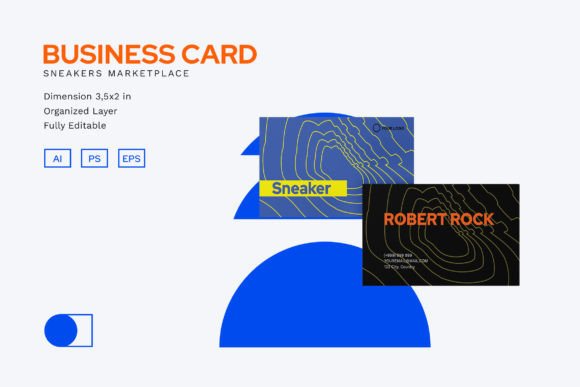
The true potential of Modern Business Card Templates emerges when users adapt them to their specific contexts. The standard size of 3.5x2 inches is a global norm, but the design within that space can tell vastly different stories depending on the user's goals.
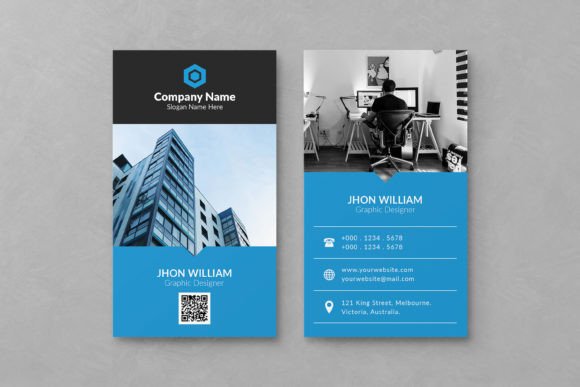
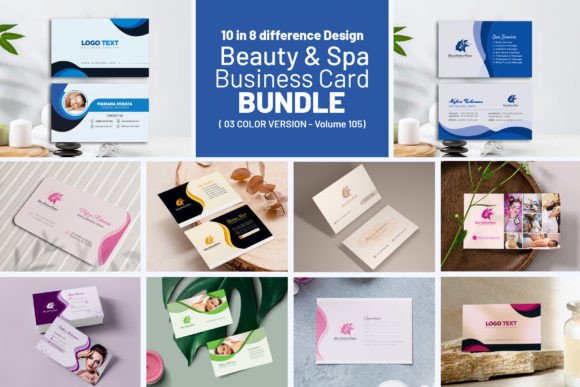
For freelancers and educators, the template might be used to highlight credentials and areas of expertise. A clean layout with ample white space can convey professionalism and trustworthiness. In contrast, a creative agency or artist might choose to push the boundaries of the design, using bold typography and striking imagery to demonstrate their artistic flair. The included 25 unique designs offer a spectrum of styles, ranging from minimalist corporate looks to avant-garde artistic expressions.
Tailoring for Different Audiences
Different industries require different tones. A tech startup might opt for a sleek, geometric design that suggests innovation and efficiency. Meanwhile, a blogger or publisher might choose a warmer, more organic style that reflects community and storytelling. The ability to swap fonts and colors allows these diverse groups to maintain a cohesive brand identity without reinventing the wheel.
Consider the scenario of a small business owner expanding into new markets. They might start with one design for local clients and adapt another from the template pack for international partners. The inclusion of font links simplifies this process significantly. Instead of hunting for similar typefaces or risking licensing issues, users can apply the intended typography instantly, preserving the designer's original vision while customizing the message.
Practical Steps for Customization
Using a template effectively requires a methodical approach. The goal is to enhance the design, not obscure it. Here is how you can maximize the utility of your download:
- Analyze the Hierarchy: Before making changes, identify which elements are most important. Is it your phone number? Your logo? Your tagline? Ensure the design emphasizes these key points.
- Leverage Layers: Open the PSD or Ai file and explore the layer structure. Organized files make it easy to isolate text boxes, background images, and graphic elements for editing.
- Maintain Consistency: Use the same color palette and font family across all your marketing materials. If you change the primary color of your card, ensure it matches your website and social media profiles.
- Check Print Bleeds: When exporting your final file, remember to include bleed marks if required by your printer. This prevents unwanted white edges after cutting.
For those who are less technically inclined, the PDF format offers a straightforward way to edit text fields in Adobe Acrobat, provided the form fields are active. However, for full design control, opening the source file in Illustrator or Photoshop is recommended.
Building a Cohesive Brand Identity
A business card is often the only tangible item a client takes away from a meeting. It serves as a physical reminder of your interaction and your brand. By choosing a Modern Business Card Template, you are investing in a tool that supports long-term brand recognition. The 25 included designs provide enough variety to create a suite of cards for different departments or roles within a company, or to rotate designs seasonally to keep your brand fresh.
Moreover, the digital nature of these files means they are sustainable. You can store them indefinitely and reprint them whenever your contact information changes, avoiding the waste associated with outdated stock. This adaptability is particularly useful for entrepreneurs whose businesses evolve rapidly. As your role shifts from founder to executive, or as you launch a new service line, your card can evolve with you.
Ultimately, the success of a business card lies in its ability to communicate clearly and leave a positive emotional response. Modern Business Card Templates provide the structural integrity and aesthetic appeal necessary to achieve this. By combining professional design principles with the freedom to customize, users can create cards that are not just functional, but truly inspiring. Whether you are handing one out at a crowded conference or slipping it into a handshake, the result is a polished, confident presentation of your professional self.
Embrace the possibilities offered by these resources. Let the variety of formats and designs empower your creativity, and watch as your network grows through the strength of your first impression.