Clean Gradient - Business Card: A Practical Evaluation of Modern Identity Design
In a professional landscape where first impressions are often formed in seconds, the physical business card remains a critical touchpoint for brand communication. The Clean Gradient - Business Card template addresses this need by offering a design that balances contemporary aesthetics with functional simplicity. This resource is not merely a static graphic; it is a fully modifiable tool designed to elevate corporate identification pieces through the use of fresh, modern gradients. For professionals, entrepreneurs, and creators seeking to make a tangible impact, understanding the specific capabilities and limitations of this asset is essential before integrating it into their workflow.
The Core Concept and Visual Appeal
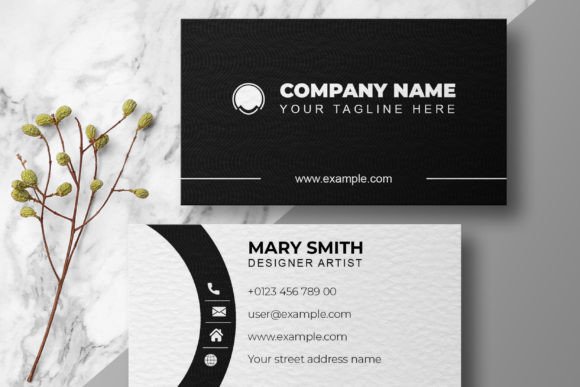
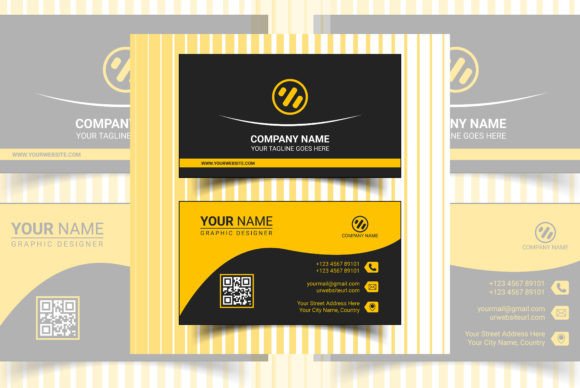
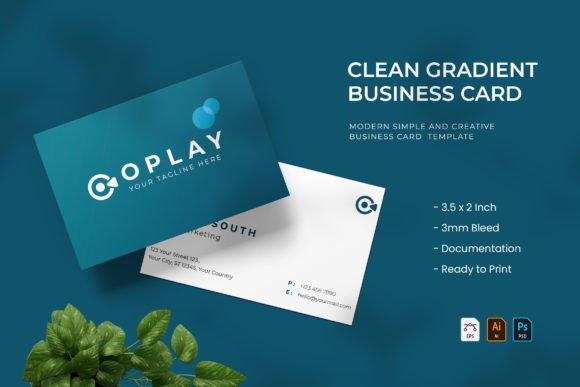
The defining characteristic of the Clean Gradient - Business Card lies in its approach to color and layout. Unlike traditional templates that rely on heavy textures or complex illustrations, this design utilizes smooth, fluid gradients to create depth without visual clutter. The gradient effect serves a dual purpose: it captures attention immediately while maintaining a level of sophistication suitable for high-level networking. The "clean" aspect of the title refers to the generous use of whitespace and the strategic placement of typography, ensuring that contact information is legible at a glance.
This aesthetic choice is particularly relevant for industries that value innovation and forward-thinking, such as technology, marketing, and creative services. However, the neutrality of the base design allows it to be adapted for more conservative sectors like finance or law, provided the user selects appropriate color palettes. The modern concept ensures that the card does not appear dated within months of production, offering a timeless quality that many rigid, trend-driven designs lack.
Technical Specifications and File Integrity
From a technical standpoint, the Clean Gradient - Business Card delivers robust support for various editing environments. The package includes files in AI (Adobe Illustrator), EPS, and PSD (Photoshop) formats. This multi-format availability is a significant strength, as it accommodates users who may prefer vector-based workflows for crisp scaling or raster-based processes for advanced texture manipulation. Whether you are a seasoned graphic designer or a freelancer working with limited software access, having these options ensures accessibility.
The dimensions are standard for the industry, set at 3.5 x 2 inches, which guarantees compatibility with most printing presses and digital distribution channels. More importantly, the resolution is specified at 300 DPI in CMYK mode. This specification is non-negotiable for print-ready assets, as it prevents pixelation and ensures color accuracy when the cards are physically produced. Users can rest assured that the final output will match the digital preview, a common pain point in template usage.
Usability and Customization Workflow
The primary value proposition of this template is its ease of modification. The description highlights that the layers are well-organized, a detail that significantly impacts the user experience. In many templates, layers are grouped haphazardly, requiring hours of cleanup before any text can be changed. With the Clean Gradient - Business Card, the structure appears designed for efficiency. Text elements are distinct from background effects, allowing users to swap names, titles, phone numbers, and URLs without accidentally distorting the gradient mesh or alignment.
The inclusion of a Free Font Used list and accompanying documentation further streamlines the process. When opening a file, missing fonts can halt progress entirely. By providing the necessary typefaces, the creator removes this barrier, allowing for immediate customization. The instruction set included in the Readme file acts as a guide for those less familiar with layer management, making the product viable for a broader audience than just expert designers.
Real-World Performance and Application
When evaluating how the Clean Gradient - Business Card performs in real-world scenarios, its versatility stands out. It functions effectively as a standalone business card but also adapts well to other promotional needs. The layout's flexibility makes it suitable for corporate identification pieces, conference badges, or even small-scale flyers where a professional look is required on a tight budget.
For freelancers and solo entrepreneurs, the ability to quickly generate a polished identity is crucial. Instead of hiring a designer for a single project, a user can download the template, input their details, and proceed to print. This speed-to-market capability is vital for individuals attending networking events or launching new ventures where immediate branding is necessary. Furthermore, the clean design ensures that the focus remains on the content rather than the decoration, which aligns with current trends in minimalist branding.
Audience Fit and Strategic Considerations
This resource is particularly beneficial for a specific demographic: adults aged 20 to 50 who are actively building their professional presence. This includes marketers, bloggers, publishers, educators, and serious hobbyists who require a credible image but may not have the resources for custom design work. Small business owners will find the modifiable nature of the file especially useful for creating branded materials beyond just cards, such as letterheads or email signatures, by reusing the same gradient assets.
However, potential users should consider their specific goals. If a brand requires highly unique, hand-drawn illustrations or a very niche artistic style, this template might feel too generic. It is best suited for those who want a professional foundation that they can personalize. The "clean" design offers a blank canvas rather than a finished statement, meaning the user must invest time in selecting the right colors and fonts to reflect their personal brand voice.
Potential Limitations and Recommendations
No design asset is without constraints. While the Clean Gradient - Business Card is highly editable, the final result is only as good as the user's design choices. A poorly chosen font pairing or a low-quality logo upload can detract from the otherwise polished gradient background. Additionally, while the files are organized, users unfamiliar with Adobe software may still face a learning curve regarding vector vs. raster editing.
To maximize the value of this template, it is recommended that users experiment with different gradient directions and color combinations before finalizing the print run. Since the gradients are likely adjustable via gradient meshes or overlay layers, testing multiple variations can help find the perfect balance between visibility and style. Also, always verify the Readme documentation for any specific instructions regarding bleed areas or safe zones to ensure the printer cuts the card correctly.
Long-Term Value and Conclusion
Ultimately, the Clean Gradient - Business Card represents a practical investment for anyone needing a reliable, modern identity tool. Its combination of high-resolution specifications, multi-format support, and user-friendly organization addresses the core needs of today's mobile and dynamic workforce. By removing the technical barriers to entry, it empowers users to present themselves professionally without relying on external agencies.
For those seeking a design that is both aesthetically pleasing and functionally sound, this template offers a solid foundation. It bridges the gap between amateur presentations and high-end corporate branding, making it a valuable addition to any digital toolkit. As long as the user takes care to customize the text and colors thoughtfully, the result will be a cohesive and impressive piece of collateral that stands up to scrutiny in any professional setting.