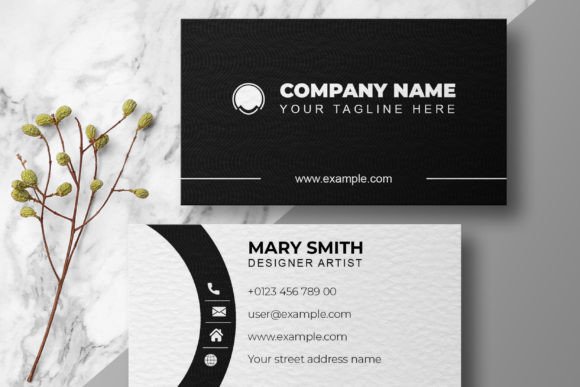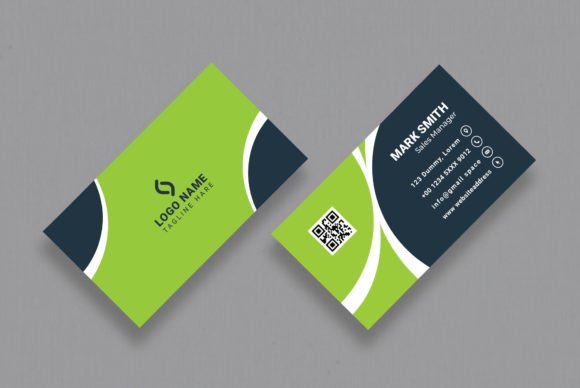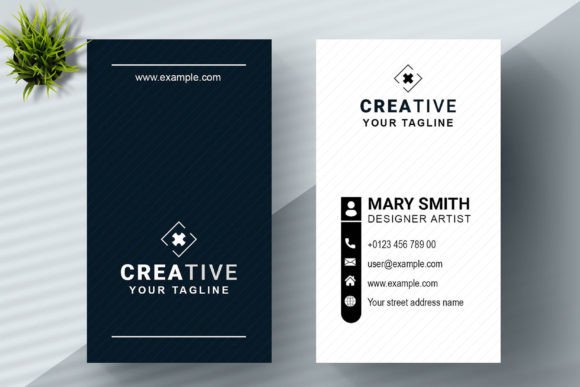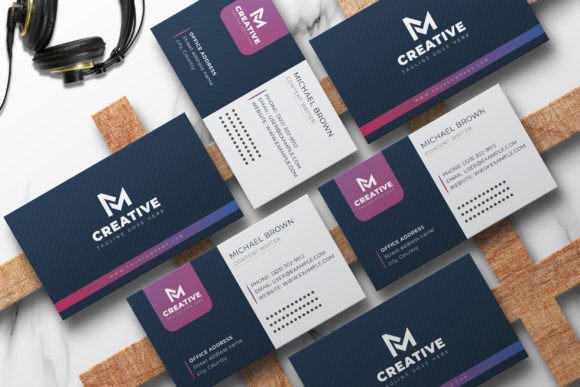
New Business Card Design Template Layout
In the fast-paced world of professional networking, your physical presence is often reduced to a single piece of paper. This small rectangle is not just a vessel for contact details; it is a tangible extension of your brand identity. A new business card design template layout offers a strategic advantage by providing a structured foundation that balances aesthetics with functionality. Whether you are a freelancer launching a side hustle or a seasoned entrepreneur rebranding a corporation, the quality of this design dictates how seriously your potential clients take you.
Many users approach these templates with the assumption that they are merely static images to be filled in. However, treating a template as a simple form to complete is a common oversight that can lead to subpar results. The true value lies in understanding the technical specifications and customization options inherent in a high-quality file. When you select a multipurpose business card template, you are investing in a tool that should adapt seamlessly to your specific needs without compromising print quality or visual appeal.
Understanding the Technical Foundation
Before diving into the creative process, it is crucial to grasp the technical requirements that separate a professional output from a amateur one. A standard mistake involves ignoring the color mode and bleed settings. If you choose a template that does not adhere to the CMYK color scheme, your final printed product may appear dull or significantly different from what you saw on your screen. Digital screens use RGB light to create colors, while printers use CMYK ink. Without the correct setup, vibrant blues might turn muddy, and reds could lose their punch.
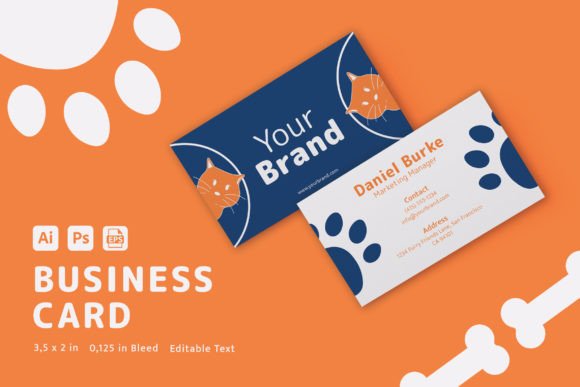
Another critical area where beginners often stumble is the handling of trim and bleed guidelines. A print-ready document must include extra space around the edges to ensure that when the cards are cut, no white borders remain. If your design elements extend too close to the edge without accounting for this bleed, the cutting machine might slice off part of your logo or text. A well-structured template includes clear trim and bleed guidelines to prevent this costly error, ensuring that every card comes out perfectly sized at 3.5 x 2 inches.
The Importance of Editable Formats
Not all templates are created equal when it comes to flexibility. Some low-quality options come locked in formats that require expensive software or advanced skills to modify. In contrast, a robust business card design template layout should be fully editable in industry-standard formats like Adobe Illustrator (.Ai) and Encapsulated PostScript (.EPS). These vector-based formats allow you to scale your graphics without losing resolution, ensuring that your logo remains crisp whether it is viewed on a phone screen or printed on heavy stock.
When evaluating a template, check if it supports easy editing across various platforms. While professional designers rely on Illustrator, many entrepreneurs prefer tools that offer a balance between power and accessibility. A good template provides a help file documentation that guides you through the editing process step-by-step. This support system is vital for those who may not have extensive graphic design experience but still want to achieve a polished look.
Navigating Font Licensing and Usage
One of the most overlooked aspects of customizing a template is font licensing. It is tempting to download any free font found online and apply it to your card, but this can lead to legal complications. High-quality templates typically come with links to free fonts used within the design, ensuring that you are legally cleared to use them for commercial purposes. Using an unlicensed font can result in cease-and-desist letters, which is a risk no small business owner wants to take.
A practical approach is to stick to the fonts provided in the template's package. These fonts have been selected specifically for their readability and aesthetic compatibility with the layout. If you feel compelled to change the typography, ensure you replace it with another font that is explicitly licensed for commercial use. This attention to detail protects your brand reputation and avoids unnecessary legal headaches.
Evaluating Usability and Customer Support
Even the best-designed template can become a source of frustration if the user experience is poor. Before purchasing, consider the level of customer service included. A reputable provider offers fast and friendly customer service for any help you may need. This support can be invaluable when you encounter unexpected issues during the editing phase or need advice on printing specifications.
Furthermore, verify the delivery method. You should expect an instant download so that your files are available immediately after purchase. Delays in receiving your assets can disrupt your project timeline, especially if you have an upcoming event or launch. A seamless transaction ensures that you can start working on your branding right away, maximizing your efficiency and reducing stress.
Common Pitfalls in Brand Application
Many professionals make the mistake of treating their business card as an isolated item rather than part of a cohesive brand identity. A beautiful multipurpose business card template is designed to work harmoniously with other marketing materials. When customizing your card, ensure that the color palette, typography, and imagery align with your website, social media profiles, and letterhead. Inconsistency here can confuse your audience and dilute your brand message.
Additionally, do not underestimate the power of negative space. Overcrowding a card with too much information can make it difficult to read. A clean, modern design allows the eye to rest and highlights the most important information: your name, title, and primary contact methods. Remember that the goal of a calling card is to facilitate communication, not to serve as a brochure. Keep the content concise and impactful.
Making the Right Choice for Your Project
Whether you are creating personal identity cards, professional branding materials, or invitations for a special event, the versatility of a well-chosen template is essential. A 100% editable document gives you the freedom to experiment with different layouts and styles until you find the perfect fit. This flexibility is particularly useful for marketers and bloggers who may need to update their contact information frequently or run multiple campaigns simultaneously.
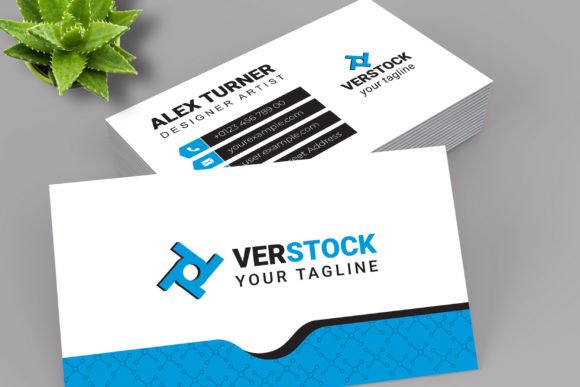
To avoid poor decisions, always review the sample images and specifications before buying. Look for evidence of print readiness and check the dimensions carefully. Ensure that the template supports the specific size you require, such as the standard 3.5 x 2-inch format. By taking the time to evaluate these factors, you can ensure that your investment yields a high-quality result that enhances your professional image.
Ultimately, the success of your business card depends on the combination of a solid design foundation and careful execution. By avoiding common mistakes regarding color modes, bleed settings, and font licensing, you can produce a card that stands out in a stack. With a clean, modern layout that is fully customizable, you are well-equipped to make a lasting impression on anyone you meet. If you have any questions about the process or need assistance with your design, remember that help is available to guide you toward a successful outcome.