Insurance Company Business Card Design
A professional image is the foundation of trust in the insurance industry. When clients meet an agent for the first time, they are often looking for reassurance that their future is secure. A well-designed Insurance Company Business Card serves as a tangible promise of reliability and competence. It is not merely a piece of cardstock with contact details; it is a strategic tool that communicates your brand's stability before you even speak.
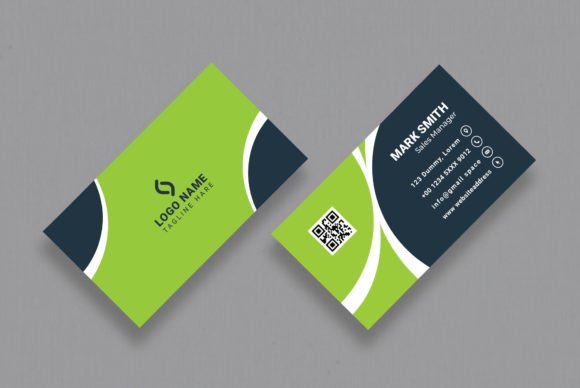
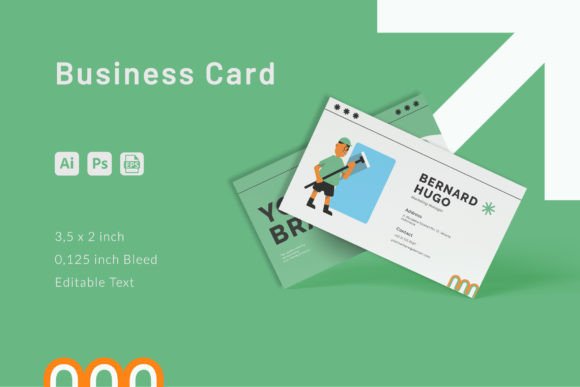
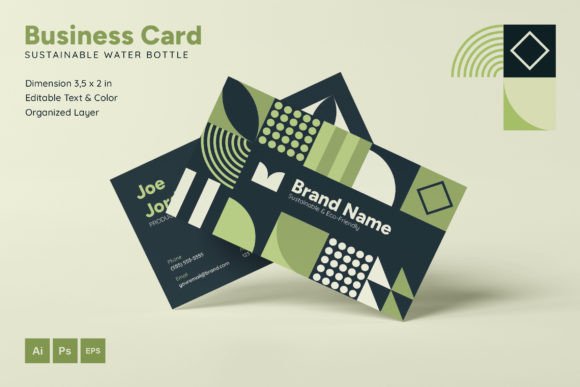
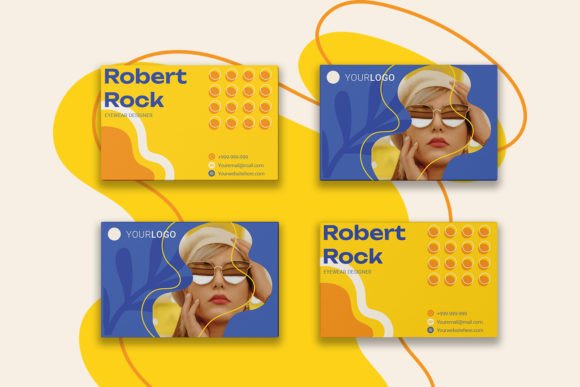
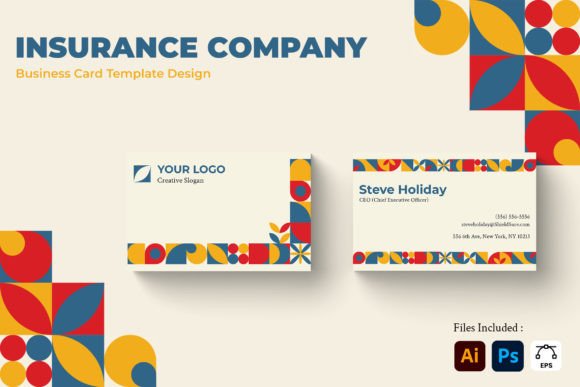
This template offers a modern approach to personal branding within the financial sector. By combining strong typography with a layout that balances simplicity and uniqueness, it ensures your information stands out without appearing cluttered. Whether you are standing at a networking event or handing one over after a consultation, the visual impact matters. The design supports both portrait formats and standard dimensions, making it versatile for various printing needs.
Why Layout and Typography Matter in Insurance
In a field where clarity is paramount, the design of your business card must reflect the same principles. Clients need to find your name, phone number, and specialization quickly. This template prioritizes readability through its use of strong fonts. Unlike overly decorative designs that might confuse a potential client, this layout focuses on clean lines and organized spaces.
The modern aesthetic avoids the outdated stereotypes of heavy suits and generic clipart often associated with older insurance marketing materials. Instead, it embraces a minimalist style that appeals to a younger demographic while maintaining the seriousness required by the profession. For architects, photographers, and lifestyle professionals who also offer insurance services, this unique layout bridges the gap between creative expression and professional necessity.
The Role of Customization in Professional Identity
One of the most critical aspects of this design is its flexibility. Every insurance professional has a different niche, whether it is commercial liability, life insurance, or specialized automotive coverage. The template allows you to inject your own personality into the card by simply adding your pictures and words. This ease of customization means you do not need to be a graphic designer to achieve a high-end look.
The structure is built on well-organized layers, which simplifies the editing process significantly. You can swap out stock imagery for your own headshot or change the color scheme to match your corporate identity without disrupting the underlying grid. This level of control empowers users to create a card that feels authentic to their specific practice rather than a generic mass-produced item.
Adapting the Template for Different User Needs
The value of a business card template changes depending on who is holding the mouse. What matters to a seasoned broker differs from what a beginner needs when starting their agency. Understanding these distinct perspectives helps in evaluating whether this tool fits your current workflow.
For Beginners and New Entrepreneurs
If you are just launching your career in insurance, the primary concern is often speed and cost-effectiveness. You may not have a budget for expensive design agencies or custom illustrations. This template provides a complete solution with help files included, guiding you through the setup process. The availability of AI, EPS, and PSD files means you can work in the software you already have access to.
Beginners often worry about making mistakes that ruin a print run. The print-ready nature of this file, set at 300 DPI in CMYK color mode, mitigates that risk. It ensures that the colors you see on your screen translate accurately to the final printed product. The inclusion of free fonts further reduces initial costs, allowing new business owners to allocate resources elsewhere.
For Experienced Professionals and Creators
Seasoned agents know that their reputation is built on consistency and attention to detail. For them, the priority is flexibility and long-term usefulness. They need a design that can evolve as their business grows. The fully editable nature of the source files allows for easy updates when licensing numbers change or when new service offerings are added.
Creatives and marketers within the insurance space appreciate the unique layout options. They understand that a standard card gets lost in a pile, but a design with a strong visual hierarchy captures attention. The ability to manipulate layers independently means they can experiment with different layouts for different campaigns without starting from scratch.
For Educators and Bloggers
Those who teach insurance concepts or write about the industry often need to distribute cards at workshops or conferences. Their goal is to provide clear resources and encourage follow-up. The simple, modern design ensures that the focus remains on the educational content they deliver. The two-page format offers ample space for additional information, such as website URLs, social media handles, or QR codes linking to helpful guides.
Evaluating Technical Quality and Practicality
Beyond the visual appeal, the technical specifications of a business card determine its longevity and utility. This template is designed with the physical printing process in mind. The 3.5 x 2 inch standard size ensures compatibility with almost all wallet holders and card slots, preventing the frustration of a card that does not fit.
- Resolution: At 300 DPI, the text and graphics remain sharp even when viewed up close, avoiding the pixelation that can undermine credibility.
- Color Mode: Being CMYK ready eliminates the guesswork for printers, ensuring that brand colors are reproduced accurately.
- File Formats: Having multiple formats (AI, EPS, PSD) provides redundancy. If one software version is unavailable, another can handle the project.
The "Help Files Included" feature is particularly valuable for those who may not be familiar with vector editing software. These guides act as a safety net, offering step-by-step instructions on how to modify the text and images. This support system lowers the barrier to entry, making professional design accessible to hobbyists and small business owners who might otherwise feel intimidated.
Matching the Tool to Your Goals
When deciding if this Insurance Company Business Card template is right for you, consider your specific goals. Are you looking to make a quick impression at a local fair? The modern, simple layout will work well. Do you need a sophisticated design for high-net-worth clients? The strong fonts and organized layers allow for a premium presentation.
It is important to note that preview images are not included in the download. This means you are responsible for sourcing your own photography. While this requires extra effort, it guarantees that the final product features real people and authentic scenarios relevant to your business. Generic stock photos can sometimes dilute the message, whereas your own images build a stronger connection with your audience.
Making the Decision
Ultimately, a business card is an extension of your professional voice. In the insurance industry, where intangible services are sold, having a concrete representation of your brand is essential. This template offers a balanced approach, combining ease of use with high-quality output standards.
Whether you are a freelancer managing your own brand, a small business owner expanding your reach, or a consumer looking to upgrade your personal stationery, the features provided cater to a wide range of needs. The emphasis on organization and editability ensures that the design remains useful for years, adapting to changes in your career or business strategy. By choosing a design that prioritizes clarity and professionalism, you take a significant step toward building trust with every person you meet.
The investment in a quality template pays off in the perception of your work. A card that looks professional signals that you care about the details of your job. It suggests that just as you have taken care to design your card, you will take care of your clients' policies. With the right tools and a clear understanding of your audience, you can create a lasting impression that opens doors to new opportunities.