Graphic Design - ID Card: The Strategic Asset for Modern Professional Identity
In the contemporary professional landscape, the physical representation of an individual or an organization often serves as the first tangible point of contact. While digital footprints are ubiquitous, the Graphic Design - ID Card remains a critical tool for establishing immediate credibility and brand recognition. This is not merely about printing a name and a photo; it is about leveraging visual communication to convey authority, creativity, and organizational culture in a compact format.
The transition from static, generic identification pieces to dynamic, modern concepts reflects a broader shift in how businesses operate. A well-crafted ID card acts as a mobile billboard, a security credential, and a networking catalyst all at once. When professionals seek a solution that combines aesthetic appeal with functional utility, they turn to designs that offer modifiable structures and fresh layouts. The following analysis explores the multifaceted role of these design assets in various sectors.
The Evolution of Corporate Identification
Gone are the days when identification cards were limited to basic plastic strips with laminated paper inserts. Today, the Graphic Design - ID Card has evolved into a sophisticated medium for branding. The integration of modern concepts allows organizations to break away from traditional templates that fail to engage viewers. A creative layout on your ID cards does more than just display information; it sets a tone. It signals that the entity values innovation and attention to detail.
For business owners and corporate managers, the implication is clear. A modern idea implemented through high-quality graphic design can significantly impact how potential clients perceive a company. If a team member presents themselves with a card that features a cluttered, outdated design, it may inadvertently suggest a lack of professionalism. Conversely, a sleek, well-organized design demonstrates a commitment to excellence. This psychological effect is particularly potent in industries where trust and visual perception are paramount, such as finance, consulting, and creative agencies.
The demand for these updated assets has led to the creation of specialized templates that prioritize both form and function. These designs are no longer static images but are structured to accommodate the specific needs of different industries. Whether for a tech startup needing a futuristic look or a law firm requiring a conservative yet sharp appearance, the flexibility of modern design files ensures that the final product aligns perfectly with the brand's identity.
Key Characteristics of High-Impact ID Card Designs
To understand why a specific design asset is superior, one must examine the technical and aesthetic characteristics that define a top-tier Graphic Design - ID Card. The value proposition lies in the balance between visual allure and practical usability.
- Modifiable Architecture: The most critical feature of a professional design file is its editability. Users require the ability to insert their own text, adjust colors to match brand guidelines, and swap out imagery without compromising the structural integrity of the layout. This modifiable nature ensures that the card remains relevant even as personnel or branding strategies change.
- Layer Organization: In complex design files, the separation of elements is vital. Well-organized layers allow designers and non-designers alike to isolate specific components, such as the background, typography, or logos. This structure facilitates easy customization and reduces the time required to finalize a project.
- Print Readiness: A screen-perfect design is useless if it fails in print. High-quality ID cards require specific technical standards, including CMYK color modes and 300 DPI resolution. These specifications ensure that the colors remain vibrant and the details sharp when the card is physically produced.
- Multi-Format Compatibility: Versatility is key. Access to AI, EPS, and PSD files means the design can be opened in various software environments. This inclusivity ensures that whether a user works with Adobe Illustrator, Photoshop, or other compatible tools, the design remains fully editable.
These characteristics collectively transform a simple template into a robust tool. The inclusion of free fonts used in the design further streamlines the process, ensuring that the typography remains consistent across different systems without requiring additional purchases or licensing fees.
Applications Across Diverse Sectors
The utility of a modern ID card extends far beyond a single industry. The versatility of the Graphic Design - ID Card makes it applicable to a wide array of scenarios, each with unique requirements.
Corporate Environments
In large corporations, identification cards serve as the primary method for access control and employee verification. However, they also play a significant role in internal culture. A cohesive design language across all ID cards reinforces a sense of belonging and unity among staff members. When employees wear badges that reflect the company's modern aesthetic, it fosters pride and a shared identity.
Events and Conferences
Event organizers rely heavily on well-designed ID cards to manage attendance and facilitate networking. For conferences, these cards often double as promotional items. A creative layout that includes QR codes, social media handles, or event schedules transforms a standard badge into an interactive tool. Attendees are more likely to retain and exchange cards that look professional and contain useful information presented in an engaging manner.
Freelancers and Creators
For independent professionals, the ID card is often their only physical marketing material. Unlike large companies with dedicated marketing departments, freelancers must make every interaction count. A Graphic Design - ID Card tailored for this audience provides a ready-made solution to present a polished image. By putting in some text and customizing the layout, a freelancer can instantly elevate their professional standing, making a good impression on potential clients during meetings or casual encounters.
Educational Institutions
Schools and universities utilize ID cards for security and administrative purposes. Yet, there is a growing trend toward using these cards to promote campus life. Modern designs can incorporate school colors, mascots, and digital portals, creating a seamless bridge between physical presence and digital services. This approach helps students feel connected to their institution while providing staff with efficient identification tools.
The Workflow of Customization and Implementation
Implementing a new ID card design involves a streamlined workflow that prioritizes efficiency. The process begins with acquiring the main file, which typically comes with comprehensive documentation. This "Read Me" guide is essential for users who may not be expert designers, offering step-by-step instructions on how to navigate the layers and modify the content.
Once the file is opened, the customization phase allows for personalization. Users can replace placeholder text with actual names, titles, and contact information. Because the design is fully editable, adjustments can be made to the hierarchy of information. For instance, a senior executive might prioritize their title, while a sales representative might emphasize their phone number or email address. This flexibility ensures that the card communicates the most relevant data for the specific user.
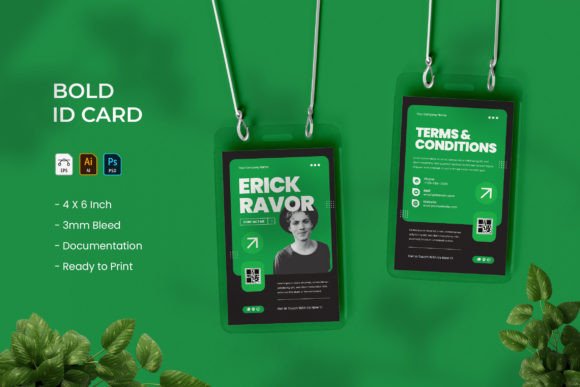
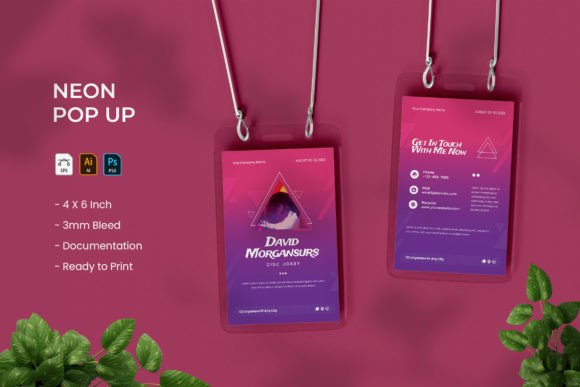
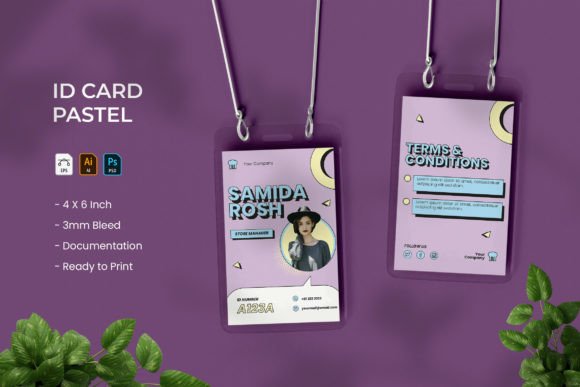
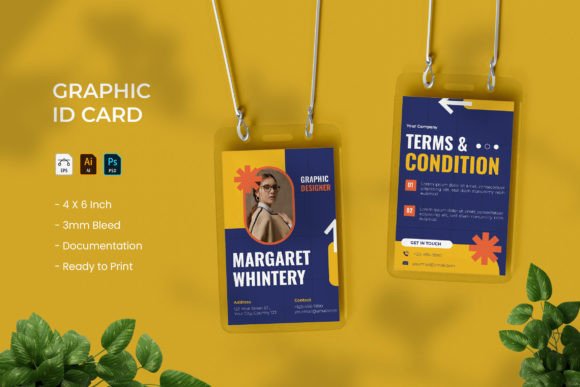
The final stage involves preparation for production. With the file set to CMYK and 300 DPI, the design is ready to go for professional printing. The size of 4 x 6 inches is a standard dimension that offers ample space for information without being cumbersome. This ratio allows for a balanced composition where graphics and text coexist harmoniously. Whether the output is a single-sided card or a two-page spread, the design maintains its clarity and impact.
Strategic Advantages of Modern Concepts
Adopting a modern concept for ID cards yields several strategic advantages that extend beyond mere aesthetics. One of the primary benefits is the enhancement of brand consistency. When every employee uses a card designed with the same visual language, it creates a unified front. This consistency builds trust with clients and partners who interact with the organization regularly.
Furthermore, modern designs often incorporate elements that facilitate digital integration. While the physical card remains the focus, the layout can be optimized to complement digital profiles. For example, a clean design leaves room for a QR code that links directly to a LinkedIn profile or a company website. This hybrid approach bridges the gap between offline interactions and online visibility.
Another significant advantage is the cost-effectiveness of using pre-designed, modifiable templates. Creating a custom design from scratch requires hiring a professional designer, which can be expensive and time-consuming. By utilizing a high-quality Graphic Design - ID Card template, businesses can achieve a similar level of sophistication at a fraction of the cost. The investment is minimal compared to the return on investment in terms of brand perception and operational efficiency.
Considerations for Optimal Usage
While the benefits are clear, there are considerations to keep in mind when implementing these designs. Security is a paramount concern. While the visual aspect is crucial, the ID card must also fulfill its primary function of identification. This includes the placement of photos, barcodes, or RFID chips. Designers must ensure that the creative layout does not obstruct these functional elements.
Additionally, readability should never be sacrificed for style. A beautiful design is ineffective if the text is difficult to read due to poor contrast or small font sizes. The use of legible fonts and appropriate spacing is essential. The documentation included with the design file usually highlights best practices for typography and layout, guiding users to maintain high standards of readability.
Finally, sustainability is becoming an increasingly important factor. When ordering prints, consider eco-friendly materials that align with the modern ethos of the design. A cutting-edge design printed on recycled stock sends a powerful message about the organization's commitment to environmental responsibility.
Conclusion
The Graphic Design - ID Card represents more than just a piece of plastic or paper; it is a strategic instrument for communication and branding. By embracing modern concepts and fresh designs, professionals and organizations can create a lasting impression on anyone they meet. The combination of modifiable features, high-quality specifications, and versatile applications makes these designs an invaluable asset in today's fast-paced world.
Whether for corporate identification, promotional events, or personal branding, the right design choice can elevate the perceived value of an individual or a company. With fully editable layers, print-ready formats, and a focus on user ease, these ID cards provide a solid foundation for building a strong professional identity. As the boundary between physical and digital continues to blur, the importance of a well-designed physical identifier will only continue to grow.